Low cortisol aim or high sensitivity chaos which Valorant approach wins more rounds
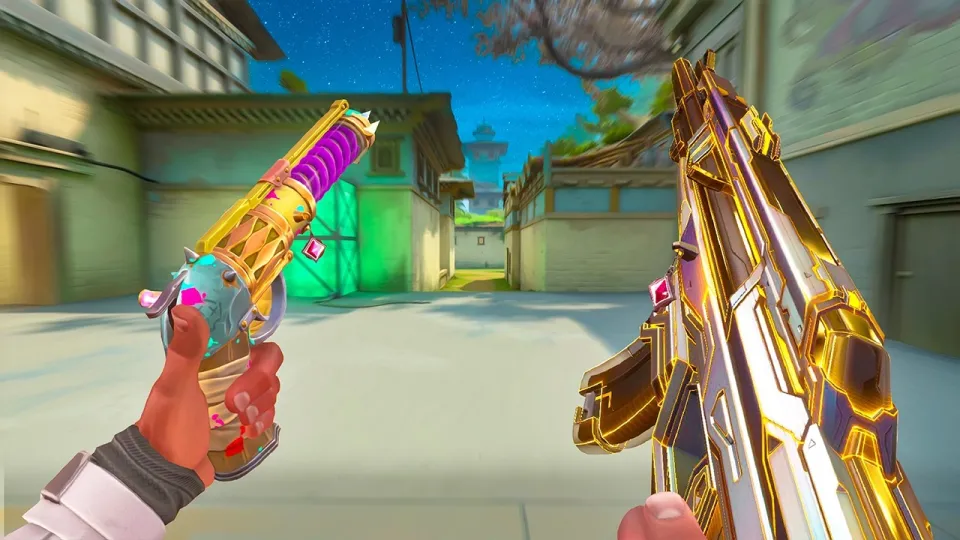
Video: low cortisol aim..
Need articles like this for your video? They help promote it on YouTube and Google — order them in the Telegram bot @sat_sit_bot. The bot writes and publishes the articles itself (with your YouTube video embedded) on popular topical websites (no ads). Free trial — 50 articles.
· based on the channel Rawzu
Key takeaways
- Rawzu runs 400 DPI with 0.625 in-game sensitivity, a 1440x1080 stretched resolution and the crosshair code 1-6-2-2.
- His hardware: Logitech G Pro X Superlight 2 mouse, Artisan Zero Soft mousepad and a Zowie XL2566K 360Hz monitor.
- The channel's low cortisol aim concept is about calm, repeatable crosshair placement instead of flick-heavy, high-adrenaline dueling.
- Phoenix is the featured agent: Blaze blocks vision and deals damage, Curveball blinds through corners, Hot Hands and Run it Back add survivability.
- The clip is built around Phoenix on Icebox, with movement and calm aim highlighted as much as raw flick speed.
Low cortisol aim in Valorant is the practice of keeping your crosshair steady and your decisions quiet instead of chasing flick speed and adrenaline spikes. The approach shown by Rawzu on his channel pairs a deliberately slow, repeatable mouse setup with a duelist who rewards confident entry timing. If you want the same baseline for your own machine, you can optimize your PC for Valorant before you touch a single sensitivity slider.
What low cortisol aim actually means in Valorant
Low cortisol aim is a training mindset, not a magic sensitivity: it means removing the panic that makes your hand tense up mid-fight. In Valorant, most duels are decided before the first bullet leaves the barrel, so a calm player who pre-aims the head line wins more often than a player who reacts late and compensates with a fast swipe. The term borrows from the idea of lowering stress hormones: fewer sharp corrections, more micro-adjustments, and a hand that stays loose on the mousepad.
Practical signs that you are aiming with high cortisol rather than calm:
- You flick past the target and pull back, instead of stopping on it.
- Your wrist lifts off the pad during close-range fights.
- You re-grip the mouse after every kill.
- You lose track of the crosshair during ability casts.
Rawzu's clips lean into the opposite: the crosshair moves in short, controlled steps and the camera stays level. That is also why the comment section reacts to the movement as much as to the aim — the calm look is a product of both.
Rawzu's exact Valorant settings and why they support calm aim
Rawzu's listed configuration is a low-sensitivity, stretched-resolution setup built for consistency rather than flash. The numbers are specific and worth copying exactly if you want a reference point: 400 DPI with 0.625 in-game sensitivity, a 1440x1080 resolution, and the crosshair code 1-6-2-2. Peripherals are a Logitech G Pro X Superlight 2 mouse, an Artisan Zero Soft mousepad, and a Zowie XL2566K 360Hz monitor.
What each choice does for a steady hand:
- 400 DPI / 0.625 produces a low effective sensitivity, so a full swipe covers less distance and small errors stay small. Low sensitivity forces arm movement, which is smoother than wrist flicks.
- 1440x1080 is a stretched 4:3-style resolution: models appear wider, which makes heads easier to track and reduces the need for pixel-perfect precision.
- Crosshair 1-6-2-2 is a compact, thin crosshair that does not cover the head at range, so you can see what you are aiming at.
- Artisan Zero Soft is a control-oriented cloth pad: more stopping friction means the mouse decelerates faster when you release pressure.
- 360Hz reduces visible motion blur during fast turns, which keeps your read of the enemy's position stable.
How Phoenix fits a calm, aggressive playstyle
Phoenix is an offensive duelist who hunts enemies while crippling their ability to shoot back, which makes him a natural fit for a controlled entry. Blaze creates a wall that blocks vision and deals damage, letting Phoenix cross open ground that would otherwise be watched. Curveball blinds enemies even when they are tucked behind corners, and Hot Hands plus the Run it Back ultimate give him enough self-sustain to take a fight, reset, and take another.
The calm part is in the sequencing. A low cortisol Phoenix does not flash and swing on the same frame; he flashes, waits for the blind to land, walks the wall, and only then commits. Because Run it Back lets him return to a marked spot after death, the risk of a bad entry is lower than it looks, which in turn lowers the temptation to panic-flick.
Building your own calm aim routine in Valorant
A calm aim routine is a short, repeatable warm-up that trains stopping power rather than raw speed. You do not need a long session; you need the same one every time so your hand learns the deceleration point.
- Spend five minutes in the Range on stationary bots at medium distance, firing single shots and stopping the crosshair dead on the head.
- Move to strafing bots and practice counter-strafing: tap the opposite key to stop, then fire. This is where most Valorant players lose their calm.
- Run one Deathmatch with the volume slightly lower than usual and no music, focusing only on pre-aiming common angles.
- Review one clip of yourself and count how many times you flicked past a target. That number is your baseline.
Pair this with the stretched resolution and low sensitivity above if you want to feel the difference quickly. If your frames drop during smokes and ultimates, fix that first — stutter breaks calm faster than any sensitivity change. That is the practical reason the channel points players toward PC optimization for Valorant in the video description.
The questions viewers keep asking about calm aim clips
Viewers of calm aim montages tend to ask the same things, and the answers are usually simpler than expected. The most common doubts are about whether the sensitivity is really that low, whether stretched resolution is cheating, and whether the movement is scripted.
- Is 400 DPI / 0.625 too slow for close fights? It is on the slow side, but close-range duels are won with positioning and ability usage, not with a 180 flick. Phoenix's Curveball exists precisely to remove the need for a fast turn.
- Does stretched resolution make targets bigger? It widens models horizontally, which many players find easier to track. It does not give information you would not otherwise have.
- Why does the aim look so smooth? Control mousepads plus low sensitivity plus a high refresh monitor produce that look. It is gear and habit, not a secret setting.
- Can you play this style on a 60Hz screen? Yes, but the advantage of a calm crosshair placement is smaller because you see motion later. Refresh rate matters most for tracking.
One more recurring theme in the comments is the sound design: several viewers note that the clips are easy to watch with the volume up, which is why the channel also publishes music and leans into ASMR-style editing. The calm aim concept and the calm audio are the same idea applied to two senses.
Useful links
- Optimize your PC for Valorant — the setup link from the video description.
- Rawzu's original music on Spotify — the tracks used across the channel's edits.
- Rawzu's Discord community — for settings talk and clip discussion.
Final takeaway on low cortisol aim
Low cortisol aim in Valorant is a gear-plus-habit system, and Rawzu's configuration shows how narrow the margin really is: 400 DPI, 0.625 sensitivity, 1440x1080 stretched, crosshair 1-6-2-2, a control pad and a 360Hz panel. Copy the numbers, then spend your practice time on stopping the crosshair instead of speeding it up. Phoenix rewards that discipline because his flash, wall and ultimate all buy time for a measured decision. The channel Rawzu is the source of this breakdown, and if you want the same frame stability behind the calm look, start with the Valorant PC optimization link from the video.
Source: low cortisol aim.. · Markdown version
Questions & answers
What is low cortisol aim in Valorant?
It is a playstyle built on staying physically relaxed and relying on pre-aim and crosshair placement instead of fast corrective flicks. The goal is to remove panic from duels so your first shot lands where the crosshair already was. It is a habit, not a settings toggle.
Is Rawzu's 400 DPI and 0.625 sensitivity good for beginners?
It is a low effective sensitivity that rewards arm movement and punishes wrist-only flicks, so it can feel slow at first. Beginners often benefit from it because it forces deliberate crosshair placement. Give it at least a week before judging it.
Does stretched resolution like 1440x1080 help in Valorant?
It widens player models horizontally, which many players find easier to track and to hit with compact crosshairs. It does not reveal extra information or change hitboxes. The trade-off is a slightly distorted field of view.
Why does calm aim footage look so smooth compared to normal gameplay?
A control mousepad such as the Artisan Zero Soft adds stopping friction, a low sensitivity keeps corrections small, and a 360Hz monitor reduces motion blur during turns. The rest is editing and consistent pre-aim habits. No hidden setting produces that look on its own.